
The Allure of Casino Games
The allure of casino games lies in their ability to captivate players with the promise of excitement and potential rewards. The bright lights, sounds of coins, and the atmosphere of anticipation create a unique environment that stimulates the senses. This sensory overload can lead to a heightened emotional state, making players more susceptible to engaging in gambling behavior. The thrill of winning, even if it’s small, reinforces the desire to continue playing, creating a cycle that can be difficult to break, similar to how many enjoy casinos crypto for additional thrills.
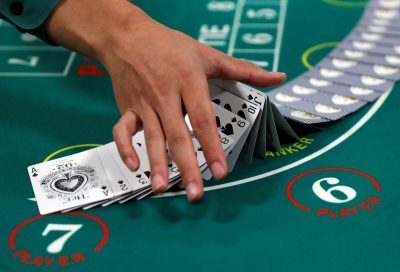
Psychological theories such as operant conditioning explain how players can become hooked on the intermittent reinforcement that casino games provide. Just as a slot machine pays out occasionally, providing a reward after a certain number of spins, players begin to associate the act of playing with feelings of pleasure and excitement. This leads to repeated behavior, as the anticipation of winning can drive players back to casinos time and again.
Risk-Taking and Reward Mechanisms
Risk-taking is a significant aspect of player behavior in casinos. The psychology behind why individuals are drawn to gamble often relates to their perception of risk and reward. Some players thrive on the adrenaline rush that comes with the possibility of losing or winning large sums of money. These high-stakes environments can lead people to make decisions they wouldn’t normally consider, highlighting the role of emotional arousal in gambling.
Moreover, neurobiological studies indicate that when players win, their brains release dopamine, a neurotransmitter linked to pleasure and reward. This chemical reward reinforces the behavior of gambling, making it more likely that players will return to seek similar thrills. Understanding these mechanisms is crucial for identifying why certain individuals might develop problematic gambling behaviors.
The Role of Cognitive Biases
Cognitive biases play a significant role in shaping how players perceive their chances of winning in casino games. One of the most common biases is the illusion of control, where players believe they can influence the outcome of games that are fundamentally random, such as slot machines or roulette. This false sense of control can lead to overconfidence and increased gambling behavior, as players continue to believe they can “beat the system.”
Another bias is the gambler’s fallacy, where players think past outcomes can affect future results. For instance, believing that a specific number is “due” to come up in a game can lead an individual to make irrational betting decisions. These cognitive distortions highlight the complex interplay between human psychology and gambling, emphasizing the need for awareness and education about such biases in order to foster healthier gaming habits.
The Social Aspects of Gambling
Gambling is often viewed as a social activity, where players engage not only with the games but also with other individuals. This social interaction can enhance the enjoyment of the experience and make it more likely for players to return. Casinos often encourage this social aspect through group games, tournaments, and events, creating a community atmosphere that draws people in.
However, the social environment can also perpetuate excessive gambling behavior. Players might feel pressured to continue playing to fit in or keep up with peers. Understanding the social influences on gambling can be crucial for addressing issues of addiction and developing supportive interventions that encourage responsible play within these communal settings.

Enhancing User Experience on Gambling Websites
As online gambling continues to rise, understanding the psychology behind player behavior is vital for creating user-friendly websites. Many platforms aim to enhance user experience through intuitive design, engaging content, and effective communication about responsible gambling practices. By addressing players’ psychological needs, these websites can foster a safer gaming environment while minimizing potential risks associated with excessive gambling.
Moreover, providing resources and support for individuals facing gambling issues can significantly improve the overall user experience. Sites that prioritize responsible gaming not only build trust with their users but also contribute to a healthier gambling culture. By recognizing and addressing the complex psychology behind casino games and player behavior, operators can move towards a more sustainable and ethical approach to online gambling.